
Hacks to manage anxiety are likely to fall short without an understanding of the anatomy of your anxiety. So today I want you to focus on physical symptoms of anxiety.
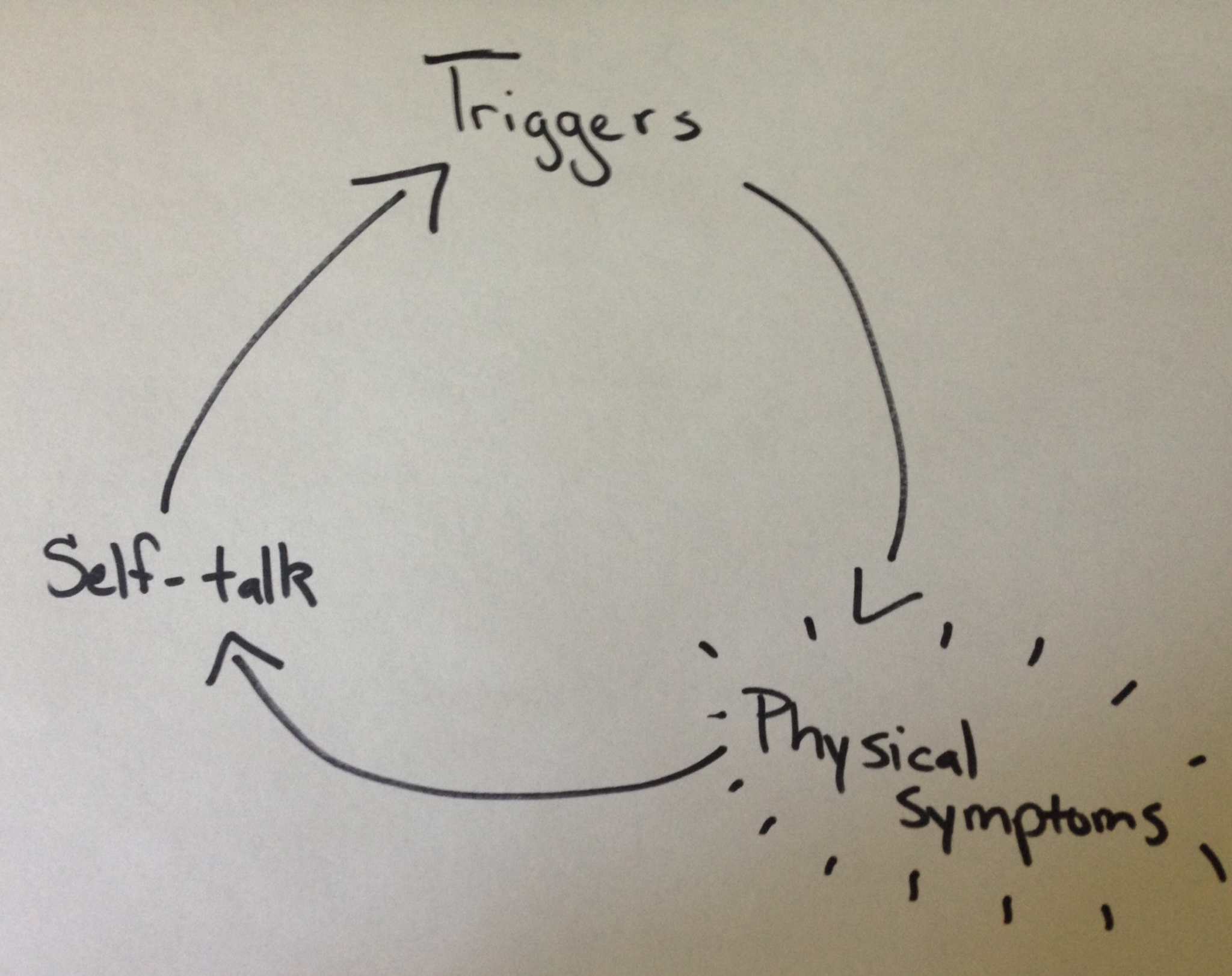
Consider that physical symptoms of anxiety can often go unnoticed. Symptoms can be easily dismissed if they do not occur at the time of the trigger.
–
For this awareness activity, let’s cast a wider net and consider the physical symptoms you feel leading up to a trigger and after.
–
First, we will work on the basic process of defining physical symptoms, I will give you a few explanations and then a few things to externally process via a journal, friend or therapist.
Defining physical symptoms of anxiety:
Physical symptoms are experiences you can feel when in stress. Symptoms might be felt while anticipating a trigger, during a trigger, or after.
Common physical symptoms:
-Upset stomach
-Sweating
-Increased heart rate
-Shallow breathing
-Fatigue
-Muscle tension
-Weight loss/gain
-Chest pain
-Dizziness
-Nausea
-Startle easily
–
Are you anxious now after reading all those?
Rest assure, that all physical ailments do not have a corresponding mental health concern. Instead, think of these as possibilities.
–
- Consider patterns of your symptoms rather than isolated incidents.
- Process the impact of symptoms on your quality of life. An upset stomach occasionally in a social situation has a much different impact than an upset stomach daily.
–
Daily and significant physical symptoms associated with anxiety is a pattern. A pattern that benefits from addressing with a mental health professional.

Now and then anxiety physical symptoms are less disruptive to your daily life and are not affecting your quality of life.
Typical of a common occurrence rather than an indicator of chronic anxiety might be public speaking.
For most people public speaking creates short-term physical symptoms of anxiety (sweating, increased heart rate).
Truly, who is a low on the anxiety scale for public speaking? Rather, short-term increased anxiety while public speaking is normal. More on the Anxiety Scale
This week’s external processing is dedicated to deciding whether or not your physical symptoms occur on a regular basis, affecting your quality of life. Or if they are less severe, only occurring now and then.
Questions to consider:
- Which physical symptoms do you experience? Make two lists. First: “I experience these often” and then: “I experience these every once in a while.” *Remember my list above doesn’t contain everything, you may have other symptoms to include.
- How often do you experience the above types of physical symptoms?
- On a scale of 1-10, how much are your physical symptoms affecting your quality of life?

Remember, right now we are gaining awareness, we are not fixing anything just yet. We must first understand where our anxieties exist before we can have a better opportunity to manage them.
Slow, thought out, sustainable change is the mantra.
Next week, we will work through the last part of the above cycle, self-talk.
 Mental Health & Journaling
One thought on “Anxiety, Part 3: Physical Symptoms”